

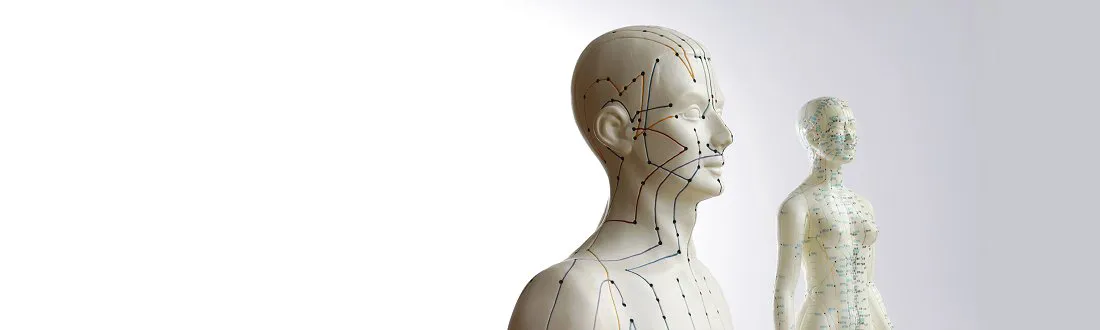
Stroke recovery — Wokingham, Berkshire
Acupuncture and Chinese herbal medicine for stroke rehabilitation at my clinic in Wokingham, Berkshire. Stroke (cerebrovascular accident) leaves residual hemiplegia, spasticity, aphasia, dysphagia and cognitive changes in the majority of survivors. Acupuncture — particularly scalp acupuncture and the classical post-stroke point protocols — has the strongest evidence base of any acupuncture indication and is recommended by WHO as adjunctive treatment. Best initiated as early as 48–72 hours post-stroke once the patient is medically stable. Over 25 years of clinical experience supporting stroke recovery.
On this page
- Stroke and rehabilitation
- Common post-stroke deficits
- Stroke in traditional Chinese medicine
- Acupuncture for stroke recovery
- Scalp acupuncture
- Chinese herbal medicine
- Tai chi exercises for stroke recovery
- Self-care & carer guidance
- Commonly asked questions
- References
1. Stroke and rehabilitation
Stroke is a sudden interruption of blood supply to part of the brain, either ischaemic (a clot blocks an artery — 85% of strokes) or haemorrhagic (a vessel bleeds into the brain). The resulting brain injury produces immediate neurological deficits that depend on the area affected. The first six months after stroke are the period of greatest neuroplastic recovery; structured rehabilitation during this window dramatically improves outcomes. Acupuncture is now well established as an adjunctive rehabilitation modality, supported by multiple Cochrane reviews and recommended by the World Health Organization.
I work alongside the patient’s stroke team, neuro-physiotherapists, occupational therapists and speech-and-language therapists. Acupuncture is best started early — ideally within the first one to two weeks once the patient is medically stable — and continued through the recovery window.
2. Common post-stroke deficits
- Hemiplegia / hemiparesis — weakness or paralysis of one side of the body
- Spasticity — increased muscle tone, often with painful contractures
- Aphasia / dysarthria — difficulty producing or understanding speech
- Dysphagia — difficulty swallowing, with aspiration risk
- Facial droop — unilateral weakness of the facial muscles
- Hemianopia — loss of half the visual field
- Sensory loss or paraesthesia — numbness, tingling or pain in affected limbs
- Cognitive and emotional changes — impaired memory, executive function, post-stroke depression and anxiety
- Urinary and bowel dysfunction
- Fatigue — profound and persistent, often the most disabling symptom
3. Stroke in traditional Chinese medicine
In TCM, stroke is termed Zhong Feng (中风) — literally “Wind Strike”. Classical texts describe the sudden onset as Wind invading the channels and collaterals. Modern TCM differentiation:
- Wind-Phlegm obstructing the channels — sudden hemiplegia with facial droop, slurred speech, the most common acute presentation
- Liver Wind rising with Yang Hyperactivity — in patients with prior hypertension; flushed face, headache, irritability before the event
- Qi deficiency with Blood stasis — the typical chronic recovery pattern, with fatigue, pale face, weak limbs and persistent residual deficit
- Yin deficiency with Wind — in older patients with chronic constitutional deficiency, slow recovery, dry tongue, tremor
The treatment principle in chronic recovery is to tonify Qi, invigorate Blood, dispel Wind-Phlegm and unblock the channels. Different stages of recovery call for different formulas and point combinations.
4. Acupuncture for stroke recovery
Acupuncture for stroke has one of the strongest evidence bases in clinical acupuncture. Multiple Cochrane reviews and systematic analyses confirm benefit for motor recovery, swallowing function and post-stroke depression. Mechanisms include:
- Promoting neuroplasticity — functional MRI studies show acupuncture activates motor cortex regions adjacent to the infarct, supporting cortical reorganisation
- Improving cerebral blood flow — in the penumbra region around the infarct
- Modulating spasticity — reducing inappropriate motor neurone firing in spastic limbs
- Releasing neurotrophic factors — BDNF, NGF and others that support neuronal recovery
- Treating co-existing depression — post-stroke depression occurs in 30–40% of survivors and responds well to acupuncture
Core point selection includes LI 15, LI 11, LI 4 on the upper limb; GB 30, ST 36, GB 34, SP 6, LV 3 on the lower limb; and facial points for hemifacial weakness. Twice-weekly treatment for three to six months produces the best outcomes; once-weekly maintenance often continues beyond that.
5. Scalp acupuncture
Scalp acupuncture (tou zhen, 头针) is a 20th-century innovation that maps cortical functional areas onto scalp zones. Needling the motor area on the side opposite the affected limb stimulates motor cortex activity directly. The technique was developed at the Shanxi Medical College in the 1970s and has become the standard adjunctive intervention in Chinese stroke rehabilitation units. Patients are typically asked to move the affected limb during needling, which strengthens the cortical retraining effect. Many of the strongest research outcomes for post-stroke acupuncture come from scalp acupuncture protocols. I use scalp acupuncture as part of tailored treatment for hemiplegia and motor recovery.
6. Chinese herbal medicine for stroke recovery
Chinese herbal medicine is used alongside acupuncture throughout recovery, addressing the underlying Qi deficiency and Blood stasis that drives chronic residual deficit. The most important formula is Bu Yang Huan Wu Tang — “Tonify the Yang and Restore Five-Tenths Decoction” — a Wang Qingren formula written specifically for post-stroke hemiplegia with Qi deficiency and Blood stasis. It uses a very high dose of Huang Qi to tonify Qi, combined with Blood-invigorating herbs (Dang Gui Wei, Chi Shao, Chuan Xiong, Tao Ren, Hong Hua) and Di Long to unblock the channels. Modern research has confirmed its effects on cerebral microcirculation, neuroplasticity and motor recovery.
For acute haemorrhagic stroke or active bleeding, blood-invigorating formulas are contraindicated and treatment must be carefully tailored. For Liver Wind patterns with hypertension, formulas such as Tian Ma Gou Teng Yin are used.
7. Tai chi exercises for stroke recovery
Tai chi has one of the strongest evidence bases of any complementary exercise modality in stroke rehabilitation. Multiple systematic reviews and randomised trials show meaningful improvements in balance, upper-limb function, post-stroke depression and falls risk in patients who take up regular practice. The mechanisms are well characterised: slow, weight-shifting movement trains balance and proprioception; bilateral coordination patterns drive cortical reorganisation; the meditative breathing component supports autonomic regulation and mood; and the social structure of group classes addresses post-stroke isolation.
The crucial point for stroke survivors is that tai chi is fully adaptable to any level of motor function. The exercises below are organised by what you can safely do, not by a timeline. Many post-stroke patients with hemiplegia or severe motor impairment will remain in the seated or supported-standing stages long-term — and that is entirely fine. Real evidence-based benefit is achievable from seated practice alone. Some patients will only ever do bed-based or chair-based versions, and the gains in balance, breathing, mood, sensory awareness and bilateral coordination are still meaningful.
Work always within a safe environment — sturdy armchair, supportive surface to hand, a carer present early on, an instructor experienced with stroke. Use the unaffected limb to guide the affected one; never force movement against spasticity; stop before fatigue peaks.
Bed-based and very limited mobility (severe hemiplegia, early recovery)
If you cannot sit safely on a chair without support, or cannot maintain seated balance for long, start here. These are gentle qigong-style movements drawn from the tai chi tradition that work from a hospital bed or supportive armchair.
- Breath awareness practice — lying or semi-reclined, place one hand on the lower abdomen and one on the chest. Breathe slowly through the nose into the abdomen, exhale through the mouth. 5–10 minutes. The foundation of all tai chi and the single most accessible practice for severely-impaired patients. Calms post-stroke autonomic dysfunction and supports speech recovery indirectly through breath control.
- Passive Cloud Hands — with the unaffected hand, gently lift and circle the affected hand across the body, just as you would in standing Cloud Hands. The affected hand is moved through the motion by the unaffected one. 10 slow cycles. Maintains shoulder mobility, provides sensory feedback to the affected limb and trains the brain to recognise that the limb still belongs to the body — addressing the “learned non-use” phenomenon that is one of the principal barriers to upper-limb recovery.
- Eye and head turning — "Looking Back" (Wu Lao Qi Shang) — slowly turn the head and eyes to the right, hold for 3 seconds, return; then to the left. 5 each side. From the seated or reclined Eight Brocades; supports visual field awareness in hemianopia and gentle cervical mobility.
- Toe-and-ankle circles — slowly circle the ankles in each direction, alternating feet; if the affected ankle cannot move actively, the carer or unaffected hand passively moves it. Maintains ankle mobility and prevents the contracture that complicates later gait recovery.
- Open and Close (Kai He) — with the hands resting on the lap or held in front of the chest, gently spread the hands apart with inhale, bring them back together with exhale. The affected hand can be guided or moved passively by the unaffected one. 10–15 cycles. The simplest tai chi breathing movement.
Seated stage (hemiplegia, ongoing motor impairment, severe fatigue)
For patients who can sit safely on a sturdy armchair with feet flat on the floor. This is the working level for many stroke survivors long-term and produces real, evidence-based benefit; there is no need to progress past it for the practice to be worthwhile.
- Seated Cloud Hands (Yun Shou) — sit upright with feet flat. Bring both hands in front of the chest, palms facing in. Slowly draw circles with the hands across the body, one rising as the other lowers, as if rolling a large beach ball. Use the unaffected hand to gently guide the affected hand if it cannot move actively. 10–20 cycles. The cornerstone seated tai chi exercise; trains bilateral coordination, shoulder mobility, visual tracking and trunk control.
- Seated weight shifting — sit toward the front of the chair, both feet flat, hands resting on the lap or chair arms for safety. Slowly shift weight to the affected side, holding for 3–5 seconds, then to the unaffected side. 10 cycles. Begins re-introducing weight bearing through the affected leg without standing risk; foundation for any later gait work.
- Seated knee lifts with breath — inhale, slowly lift one knee a few inches; exhale, lower. Alternate. 10 each side. If the affected leg cannot lift actively, the hands assist under the thigh. Couples movement to breath and engages core stability.
- Seated trunk rotation (Single Whip, modified) — from a seated position, slowly turn the upper body to the unaffected side, both hands moving in the direction of the turn; return through centre and turn to the affected side. 5–10 each side. Maintains trunk mobility, which is the foundation of all balance.
- Seated Eight Brocades (Ba Duan Jin) — modified upper-body forms — seated versions of “Holding Up the Sky”, “Drawing the Bow”, “Punching with Angry Eyes” and “Wise Owl Looks Back” are gentle qigong exercises particularly suited to chair-based practice. Each is one slow, breath-paced movement, repeated 5–10 times. Highly accessible and well-evidenced.
- Seated “Bow and Arrow” — sitting upright, draw the unaffected hand back to the side of the chest as though pulling a bowstring, while the affected hand extends forward (assisted by gaze and intention, even if movement is limited). 5–10 each side. Trains unilateral upper-limb control and the affected-limb engagement that drives cortical recovery.
Standing with support (when safe to stand with chair or rail)
Progress to this stage only when seated balance is reliable and the physiotherapist has confirmed safe standing. Many patients never need to leave standing-with-support, and this level alone produces meaningful balance, gait and falls-prevention benefit.
- Standing Pole (Zhan Zhuang) — supported — stand with feet shoulder-width apart, knees softly bent, hands resting on the back of a sturdy chair or rail for support. Hold for 30 seconds initially, building to 2–3 minutes. Trains postural alignment, weight bearing through the affected leg and sustained quiet attention.
- Weight transfer drills (Bow and Arrow stance) — with both hands on a chair or rail for support, step the unaffected foot forward. Slowly shift weight forward over the front leg (towards 90% forward), then back over the rear leg (towards 90% back). Begin with 5–10 transfers; build gradually. The single most useful exercise for retraining post-stroke balance and gait initiation, and the bridge between standing balance and walking.
- Standing Cloud Hands — supported — the seated version progressed to standing with chair support. Coordinates upper-limb movement with gentle weight shifting between feet. 10–15 cycles.
- Brush Knee and Push (modified, supported) — from a supported standing position, slowly extend the affected arm forward and slightly down, as if smoothing past the knee, then push gently forward with the opposite hand. Engages unilateral upper-limb control and core rotation. 5–10 each side.
Unsupported standing and walking (later recovery, where reached)
Many stroke survivors do not reach this stage, and that is not a failure of practice — tai chi at the seated and supported stages remains genuinely beneficial. For those who do progress to unsupported standing safely, the following adds the gait and full-form work.
- Tai chi walking — slow, deliberate stepping with full weight transfer between each step, the foot placed heel first and rolled through. Practise in a hallway with handrails available for safety. The single most evidence-based component for falls prevention in stroke survivors.
- Single Whip and Wave Hands Like Clouds — standing versions — the classical Yang-style forms combining the earlier weight-shifting and bilateral upper-limb work into continuous flowing movement. Best introduced through a class or qualified instructor.
- Short-form tai chi (Yang 8 or 24) — the Yang-style 8-form or 24-form sequences are well suited to stroke recovery: short enough to learn, varied enough to challenge, adaptable to individual capacity. The Tai Chi for Stroke Survivors programme developed by Dr Paul Lam is specifically designed for this population and has good supporting evidence.
Practical recommendations
- Stay at the level that is safe for you. There is no need to progress to standing if standing is not safe; seated practice produces real benefit.
- Frequency — aim for 20–30 minutes of practice three to five times weekly, or shorter (10 minutes) more often. Daily short practice is more effective than infrequent long sessions.
- Find a stroke-experienced instructor — the Stroke Association (UK), Tai Chi Union for Great Britain and the Tai Chi for Health Institute maintain instructor listings; some hospital stroke units now run dedicated chair-based classes for inpatients and outpatients.
- Medical clearance — check with the stroke consultant or physiotherapist before starting standing-stage exercises, particularly if you are at risk of falls, have cardiac comorbidity, hemianopia or significant spasticity.
- Carer involvement — for hemiplegic patients, a carer can guide the affected limb through the movements early on. This is therapeutic for both patient and carer and addresses some of the strain of post-stroke caring.
- Combine with NHS rehabilitation — tai chi complements but does not replace neuro-physiotherapy, occupational therapy or speech-and-language therapy.
- Pace yourself — post-stroke fatigue is real; stop before exhaustion and rest before symptoms peak.
8. Self-care and carer guidance
Engage in regular structured exercise
Daily exercise — ideally walking, swimming, tai chi (seated or standing) or other graded movement appropriate to your current motor function — supports both physical recovery and mood. See the dedicated tai chi section above for stage-by-stage exercises adaptable to any level of mobility.
Address cardiovascular risk factors
Stroke recurrence risk is highest in the first 12 months. Blood pressure control, statin therapy (where prescribed), atrial fibrillation management and diabetes control are essential and should not be discontinued without medical advice.
Manage post-stroke fatigue with pacing
Fatigue is often the most persistent and disabling symptom. Patient-led pacing — spreading effortful activity across the day, taking planned rest breaks before exhaustion sets in — preserves capacity for rehabilitation activities.
Address mood early
Post-stroke depression is common and significantly impairs recovery. Early identification and treatment — acupuncture, talking therapy and where needed antidepressant medication — substantially improves long-term outcomes.
9. Commonly asked questions about acupuncture for stroke recovery
When should I start acupuncture after a stroke?
As early as medically safe — typically once the patient is haemodynamically stable, often within the first week. Earlier initiation correlates with better motor outcomes in published trials. Treatment continues through the active recovery period (first 3–6 months) and often as monthly maintenance afterwards.
How often should treatment be given?
For active rehabilitation, two to three sessions per week is the standard frequency, reducing to weekly then monthly as recovery plateaus. I co-ordinate timing with the patient’s NHS rehabilitation programme so the two modalities reinforce rather than fatigue.
Is scalp acupuncture safe?
Yes — scalp acupuncture is well established and very low-risk when performed by a trained practitioner using sterile, single-use needles. The needles are inserted into a thin layer of subgaleal tissue, not into the brain. The technique has been used safely for over 50 years in Chinese stroke rehabilitation units.
Can I have acupuncture if I'm on blood thinners?
Yes, with care. Patients on warfarin, apixaban, rivaroxaban or dual antiplatelet therapy can have acupuncture, but needles are inserted gently and superficially with no aggressive techniques. Always inform your acupuncturist of all medications.
How much does treatment cost?
Full pricing is on the treatment prices page. An initial acupuncture consultation is £70 at Wokingham; follow-up sessions are £60. For patients with mobility limitations, home visits may be arranged on request.
References
Yang A, et al. Acupuncture for stroke rehabilitation. Cochrane Database of Systematic Reviews. 2016;(8):CD004131. doi: 10.1002/14651858.CD004131.pub3.
Wu P, et al. Acupuncture in poststroke rehabilitation: a systematic review and meta-analysis of randomized trials. Stroke. 2010;41(4):e171–179. doi: 10.1161/STROKEAHA.109.573576.
Li L, et al. Bu Yang Huan Wu Decoction for the treatment of post-stroke neurological deficit: a systematic review. Journal of Traditional Chinese Medicine. 2014;34(3):274–282.
Prefer to be treated from home? Chinese herbal medicine online consultations are available throughout the UK and worldwide for post-stroke herbal support.















